THE VIDEO AI FIELD GUIDE
Video AI: How to Turn Plain Text Into Polished Videos in Minutes
Not long ago, one decent minute of footage meant a camera, a microphone, editing software and a free weekend. Today, video AI has flipped that equation. You type an idea, and a smart AI video maker returns a finished clip with the script, visuals, narration and pacing already handled. This guide explains how the technology works, what separates a great tool from a gimmick, and how to create video by AI without burning your entire afternoon.
- Backed by a 30-day money-back guarantee on the featured tool
- No camera, studio or editing skills required
- From typed idea to exported video in minutes

What You Will Learn in This Guide
- What video AI really is
- How AI video generation works
- Benefits of a video generator AI
- Videos you can make with an AI video creator
- How to create video by AI, step by step
- Choosing the best AI video generator
- An AI video generation platform worth a look
- Prompt tips for text to video AI
- Mistakes to avoid and honest limits
- Who gets the most from AI video gen tools
- Frequently asked questions
- Final verdict
What Is Video AI and Why Is Everyone Suddenly Talking About It?
Video AI is the umbrella term for software that uses machine learning to plan, assemble and sometimes fully synthesize video. Instead of dragging clips across a timeline frame by frame, you describe what you want and the system does the heavy lifting. A modern AI video maker can write a script, pick matching visuals, add a voiceover, sync captions and export the result in the right shape for YouTube, Instagram or a sales page.
The concept has been around for years, but the experience finally feels practical. Early experiments produced wobbly demos that looked great in a research blog and useless in a real content calendar. Today’s video generator AI products are built for working people: shop owners, coaches, marketers, teachers and solo creators who need steady output more than cinematic perfection. That shift, from lab curiosity to everyday utility, is the main reason interest in video AI keeps climbing.
Video AI vs. Traditional Video Editing
Traditional editing is craft work. You shoot, import, trim, color-correct, record audio, sync everything and export, and each step demands software skills. With an AI video creator, that craft moves upstream. Your job becomes choosing the message, the audience and the tone, while the tool handles execution. Neither route is better in every situation. A brand film for a car launch still deserves a crew. A weekly explainer, a product walkthrough or a social teaser is a perfect candidate for automation, and that division of labor is the heart of video AI.
Different Names, Same Promise
Because the field moved quickly, the vocabulary is messy. You will see AI video maker workflows, AI video generation, text to video AI, AI video gen and automated video creation used almost interchangeably. Some terms describe the technology while others describe a product category, but they all point at one idea: type something in, get a video out. When someone tells software to AI generate video from a prompt, that is the promise in action.
How AI Video Generation Works Behind the Scenes
You do not need a computer science degree to use these tools, but understanding the pipeline helps you write better inputs and judge quality. Under the hood, video AI blends language models, image selection and synthetic speech. Most AI video generation platforms follow the same chain of events, and any video generator AI you test will show a version of it, even when the interface looks completely different.
Step One: Understanding Your Prompt
Everything starts with language. A language model reads your topic, audience and tone, then drafts an outline. This is where text to video AI earns its name: your sentence becomes a structured plan with scenes, talking points and a rough running time. Clear, specific prompts create clearer plans, which is why the prompt tips later in this guide matter so much.
Step Two: Matching Visuals to Every Scene
Next, the system finds or builds visuals for each scene. Depending on the product, that can mean searching a licensed stock library, laying out animated slides, drawing whiteboard-style sketches or generating original motion with generative models. When you ask a tool to AI generate video from a script, this scene-matching stage decides whether the result feels relevant or random. Strong AI video gen products also let you replace any visual with a single click.
Step Three: Voice, Captions and Pacing
A synthetic narrator reads the script, captions are timed to the speech, and transitions are placed so the video can breathe. Better video AI products let you change the voice, adjust the speed and rewrite any line without re-rendering the entire project.
Step Four: Rendering and Export
Finally, the platform renders everything into a standard video file. Look for flexible aspect ratios, because a clip built for a widescreen player rarely works unchanged in a vertical feed. A capable AI video maker exports in several shapes so one idea can travel across many channels. For a broader walkthrough, see our complete guide to video generator AI tools.

Ready to Create Video by AI Without the Learning Curve?
See how a modern AI video maker turns a typed topic into an exported video in a few clicks.
Why Creators and Businesses Are Switching to a Video Generator AI
The appeal goes well beyond novelty. A reliable video generator AI removes the three roadblocks that keep good ideas from becoming published videos: time, cost and confidence. Here is what that looks like in day-to-day work.
Speed That Changes Your Schedule
What used to take days now takes minutes. A single AI video maker session can produce a draft, a revision and an export before your coffee cools.
Lower Production Costs
No studio rental, no voice actor booking, no freelance editor invoices. For small teams, an AI video creator turns video from a budget line into a routine habit.
Consistency at Scale
Publishing every week is easier when each video starts from the same repeatable process. Video AI makes a steady cadence realistic for people who also have a day job.
No Technical Skills Required
If you can write an email, you can use an AI video gen tool. The interface asks for ideas, not keyframes or codecs.
Easy Repurposing
One blog post can become a short explainer, a vertical teaser and a training clip. Ask the tool to AI generate video variations from the same script and test which one wins.
Room to Experiment
Cheap drafts encourage bold ideas. You can try three hooks, compare them and keep the strongest instead of betting everything on a single shoot.
Key Takeaway
The real advantage of video AI is not that machines replace creativity. It is that they remove the friction between having an idea and showing it to the world.
Types of Videos You Can Create With an AI Video Creator
Not every format suits every goal, so it helps to know what the technology handles well. An AI video creator is at its best when the message is clear and the visuals support the words. Think of video AI as a fast production partner rather than a replacement for your point of view.
Whiteboard and Explainer Videos
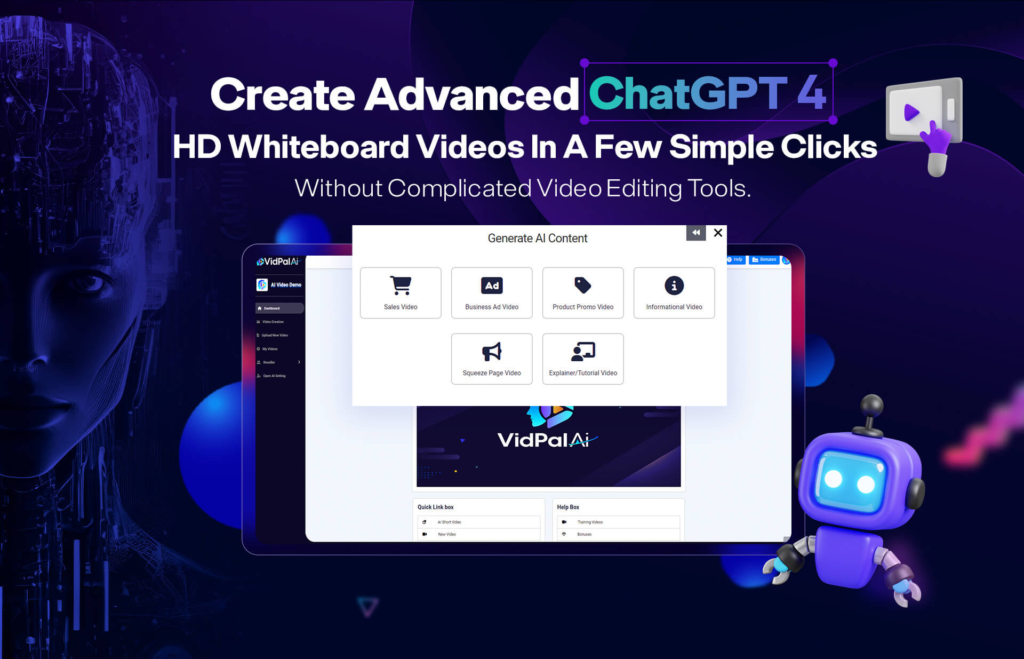
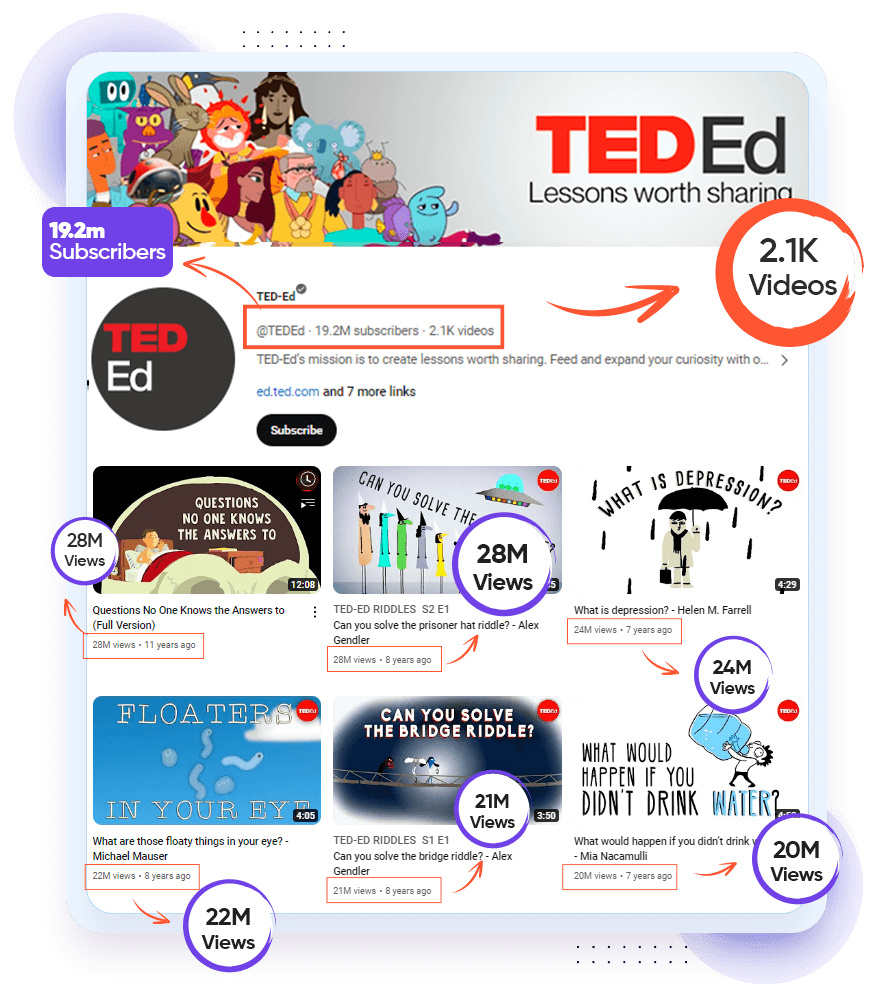
Hand-drawn sketches animate while a narrator walks viewers through a concept. They are superb for complicated products, processes and educational topics because the drawing builds alongside the explanation. Many AI video generation platforms now include this style, and you can ask the tool to AI generate video in whiteboard form from a plain script.
Social Media Shorts and Reels
Short vertical clips with big captions and a strong first line travel well on social feeds. Ask your AI video maker for a punchy script of under a hundred words, then export in a vertical ratio.
Product Walkthroughs and Sales Videos
Conversion-focused clips lay out the problem, show the solution and end with a clear call to action. Because text to video AI works from your script, the offer stays exactly as you wrote it.
Training, Onboarding and Internal Updates
HR teams and course creators can turn documents into short lessons. Updating a video later means editing a few lines of text, not reshooting a classroom.
Slide-Style Presentations With Narration
Turn an outline into narrated slides for webinars, pitch recaps and school lessons. When you already have notes, using video AI is one of the quickest ways to create video by AI.
How to Create Video by AI: A Simple Step-by-Step Workflow
Every product has its own buttons, but the workflow below applies to almost any AI video generation platform and any video AI workflow you try. Follow it once and you will see how little effort it takes to create video by AI.
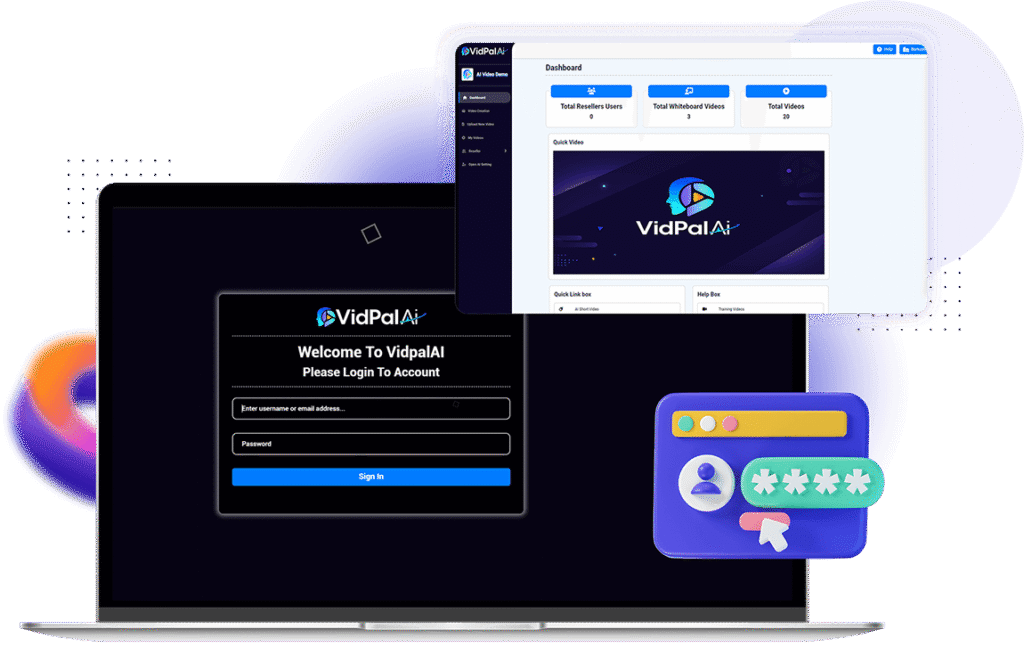
Step 1: Log In and Pick a Video Style
Start by opening your dashboard and choosing the style that matches your goal, such as explainer, slideshow, whiteboard or social clip. Picking a style first keeps the AI video gen engine from guessing, and it shapes the script, the visuals and the pacing from the very first draft.
Step 2: Describe Your Topic Clearly
Type a topic, name your audience and mention the tone. A sentence such as ‘a friendly two-minute guide to composting for apartment dwellers’ gives a text to video AI system far more to work with than the single word ‘composting’. Tell the tool to AI generate video for one clear audience, not everyone at once.
Step 3: Review the Script and Scenes
Never publish the first draft blindly. Read the script aloud, trim anything repetitive and check every claim. Good video AI tools show you each scene so you can swap visuals or rewrite a line in seconds.
Step 4: Choose Voice, Music and Captions
Pick a narrator that sounds natural for your audience, keep background music quiet enough to hear the words, and switch captions on. Many viewers watch with the sound off at least part of the time.

Step 5: Export and Share
Render the final file, check it on a phone, then upload. If the platform allows it, export a second version in another aspect ratio so the same AI video maker session feeds two channels. That habit turns a one-off experiment into a repeatable way to create video by AI.
How Long Does It Take?
Expect your first project to take a little longer while you learn the dashboard. Later projects speed up as your prompts improve and your favorite styles become habits. Run through these five steps inside the best AI video generator you can access, and your first project will teach you more than any tutorial. Keep notes on which prompts worked, because the best AI video generator results usually come from small, repeatable improvements.
What to Look for in the Best AI Video Generator
Search for the best AI video generator and you will meet a hundred confident claims. Instead of trusting adjectives, judge every video generator AI product against practical criteria. The checklist below keeps your decision grounded, whether you are choosing text to video AI software for a business or testing AI video gen tools for a hobby.

Output Quality That Matches Your Brand
Watch sample videos at full size. Are the visuals relevant? Does the narration sound human? The best AI video generator for your needs is the one whose default output already looks close to what you would publish.
Editing Control After the First Draft
A one-click result is only useful if you can fix it. Look for line-by-line script editing, scene swapping and voice options so you are never stuck with something that is almost right.
Formats, Length Limits and Licensing
Check the supported aspect ratios, maximum video length and the rules around commercial use of included media. A serious AI video generation platform states these clearly, and responsible AI video generation always respects licensing.
Pricing, Refunds and Support
Compare one-time and subscription models, watch for hidden credit systems and read the refund policy before paying. A visible money-back window is a sign that the seller trusts the product.
Learning Curve and Speed
If setup takes longer than making a video the old way, the tool has failed its main job. The best AI video generator should feel obvious within a single sitting, and good video AI never makes you read a manual just to export a clip.
A Quick Scorecard
- Script, visuals and voice live in one place
- Every scene and line is editable
- Multiple export shapes for different channels
- Clear commercial-use and licensing terms
- Transparent pricing and a visible refund policy
- Responsive support when something goes wrong
If you want a deeper look at one candidate, read our VidpalAI review, or see how the options compare in our AI video maker guide.
Meet VidpalAI: An AI Video Generation Platform Built for Speed
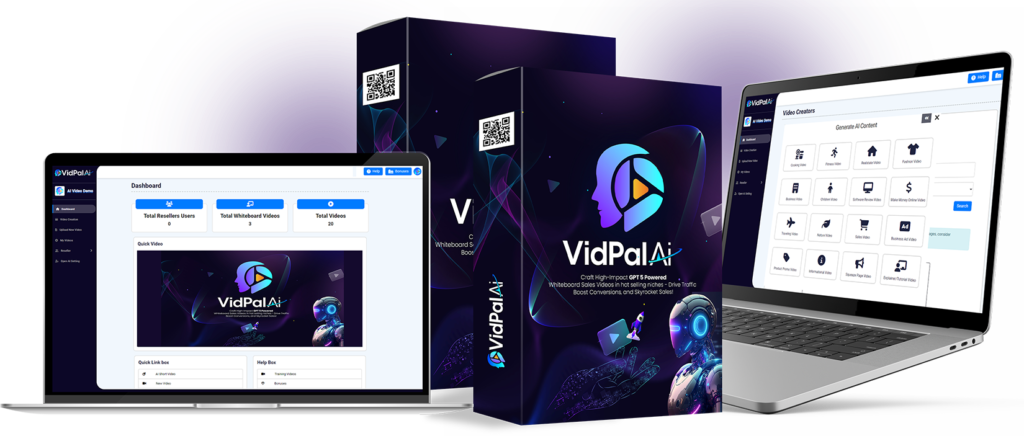
If you are hunting for the best AI video generator to try first, VidpalAI deserves a look. It belongs to the video AI category and works as an AI video creator that aims to turn a typed topic into a shareable video in a few clicks.

According to the official offer, you give the system an idea, it writes the script and builds the slides, and you export a finished video without touching a camera or an editing timeline. You can ask it to AI generate video from your text and then pick the style that suits the job, including slide-based and whiteboard explainers. For anyone who wants to create video by AI without technical setup, that workflow is the whole point of the product.
What Stands Out
- Script writing and slide building handled for you
- Whiteboard-style explainer option
- A simple dashboard flow: choose a style, describe the topic, export
- Export-ready videos for sharing
- 30-day money-back guarantee
Because this AI video generation platform keeps everything in one dashboard, there is no need to juggle a script editor, a stock library and a separate video editor. Its approach also matches the AI video gen principles covered earlier: pick a style, describe the topic, review the draft and export.
The 30-Day Money-Back Guarantee
A refund window lowers the risk of trying any new AI video maker. Read the terms on the official page so you know exactly how the guarantee works, and treat it as you would with any video AI purchase: test the tool on a real project early, while the guarantee still applies.
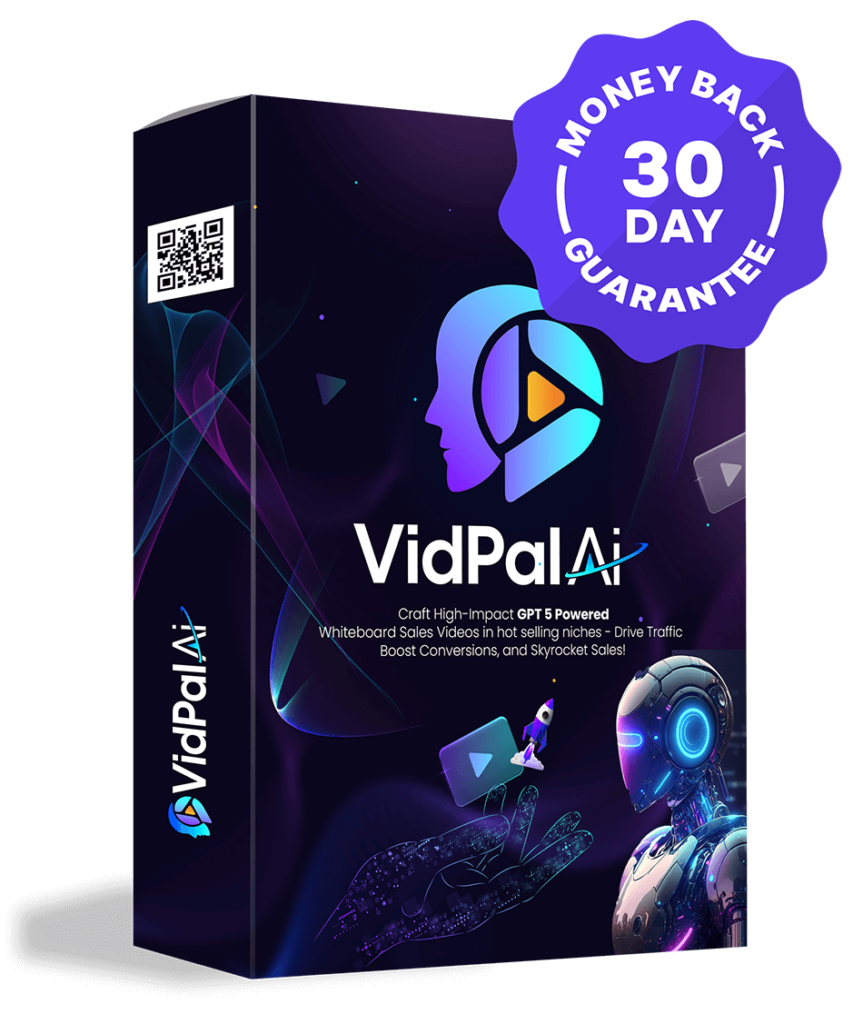
Want the full breakdown? Our VidpalAI review covers features, pricing, pros and cons, and the refund policy. You can also revisit our introduction to the AI video maker workflow, or head back to the AI video generator homepage to see the current offer.
Prompt Tips That Make Text to Video AI Work Harder for You
The quality of your input decides the quality of your output. Treat the prompt like a creative brief and your text to video AI tool will behave like a well-briefed assistant. Here is a simple four-part formula that works with almost any AI video creator.
1. Name the Audience
Say who is watching: new homeowners, startup founders, high-school students. That helps video AI choose vocabulary, examples and pace.
2. State the Goal
Decide whether viewers should learn, subscribe, click or buy, and put that outcome right in the prompt.
3. Set the Tone
Friendly, urgent, professional or playful. One adjective is enough to steer the narration.
4. Limit the Length
A target of sixty to ninety seconds keeps scripts tight and keeps viewers watching.
Weak Prompt vs. Strong Prompt
Weak: ‘Make a video about coffee.’ Strong: ‘Create a friendly 90-second explainer for beginners on brewing pour-over coffee at home, ending with an invitation to subscribe.’ The second version gives any AI generate video workflow a clear destination, and the results usually show it.
Common Prompt Mistakes
Being vague, cramming five topics into one clip, forgetting the call to action and skipping the review pass are the usual culprits. Fix those four habits and almost every AI video gen result improves overnight.
Mistakes to Avoid and the Honest Limits of Video AI
No guide is complete without a reality check. Video AI is powerful, yet it is not magic, and the creators who get the best results know exactly where human judgment still matters.
Publishing Without a Human Review
Machines can misread context, choose an odd visual or state something inaccurate, even when you ask software to AI generate video quickly. Always watch the whole video before it goes live, especially when the topic involves health, money or safety.
Chasing Perfection Instead of Publishing
A good video published today beats a perfect video imagined for months. Treat each draft from your AI video creator as a starting point, improve it once and ship it.
Ignoring Originality and Rights
Add your own examples, stories and brand voice so your videos do not feel generic. Respect copyright and platform rules, and follow Google’s guidance on creating helpful, people-first content whenever you publish a video page. Even the smartest AI video maker cannot supply your real-world experience.
Expecting Cinema From Every Tool
Some AI video generation excels at clean explainers but struggles with complex human motion. Text to video AI is a brilliant assistant for structured content, yet it should not be forced into jobs that need a camera. Match your AI video gen tool to the task and use real footage when the story demands it.
Who Gets the Most Value From AI Video Gen Tools?
Video AI is not only for technical people. In fact, the biggest winners are often busy professionals who never wanted to learn editing software in the first place.
Small Business Owners
Local shops, clinics and service providers can explain offers, introduce staff and answer common questions without hiring an agency. A simple video generator AI turns a price list or FAQ into a clip customers actually watch.
Marketers and Affiliate Publishers
Content teams need volume. With an AI video creator, one marketer can publish product explainers, comparison clips and social teasers that once required a small production crew.
Educators and Course Creators
Lesson summaries, revision videos and onboarding modules are natural fits. Text to video AI keeps the script front and center, so the teaching never gets lost in production.
Agencies and Freelancers
Deliver more drafts to clients in less time, then spend the saved hours on strategy. The best AI video generator for an agency is the one that makes revisions painless.
Bloggers and Podcasters
Turn articles and episode notes into short clips that bring new audiences back to the original. It is one of the easiest ways to create video by AI from content you already own.
Video AI FAQs: Quick Answers to Common Questions
What is video AI?
Video AI refers to software that uses artificial intelligence to plan, create or edit videos. In practice, video AI usually means typing an idea and receiving a finished clip with a script, visuals and a voiceover.
How do I create video by AI if I have never edited before?
Pick a beginner-friendly AI video maker, choose a style, describe your topic and review the draft. No timeline skills are needed because the tool assembles the scenes for you.
Is text to video AI good enough for professional use?
For explainers, product demos, training and social content, yes, provided you review the script and add your brand details. For high-end brand films, traditional production still wins.
What makes the best AI video generator?
Look for editable scripts, flexible export formats, clear commercial-use terms, transparent pricing and an honest refund policy. The best AI video generator is the one that fits your workflow, not the one with the loudest marketing.
Can I make AI generate video from a blog post?
Yes. Paste the key points or a short summary, and most tools will AI generate video scenes from it. Trim the text first so the narration stays under a couple of minutes.
What is an AI video generation platform?
It is an online service that combines script writing, visual selection, narration and export in one workspace. A good AI video generation platform saves you from juggling five different apps.
Is a video generator AI safe to use for business videos?
Check the provider’s licensing terms, avoid uploading confidential material and review each video before publishing. A reputable video generator AI will explain how its media and voices may be used.
What does AI video gen cost?
Pricing varies from free trials to subscriptions and one-time purchases. Compare the total cost over a year and favor a seller with a visible refund policy. For the product featured in this guide, read the details in our VidpalAI review and on the official page.
Will an AI video creator replace human editors?
Not entirely. An AI video creator handles repetitive production, while humans still guide strategy, storytelling and quality control.
Final Verdict: Is Video AI Worth Your Time?
Yes, with realistic expectations. Video AI will not write your strategy or replace your voice, but it removes the most tedious parts of production so you can focus on ideas. Whether you call it a video generator AI, an AI video maker or an AI video creator, the benefit is the same: more videos, less friction. And whether you ask a tool to AI generate video from a script or from a rough outline, the real win is momentum.
If you are comparing options, use the checklist from this guide, test with a real project and judge the results honestly. The best AI video generator is the one that helps you publish consistently. For a practical place to start, the AI video generation platform featured above offers a guarantee that lets you try it with less risk. For more ideas, read our full guide to making videos with artificial intelligence or the AI video maker walkthrough, and keep experimenting with text to video AI until your own style emerges. Treat AI video gen as a habit, not a one-time experiment, and it becomes the easiest way to create video by AI while you build an audience.
Your next video does not need a crew. It needs an idea, a clear prompt and a few minutes with video AI. Start small, publish, learn and repeat.